Published June 15, 2026
Understanding Certificates of Analysis: What to Look For
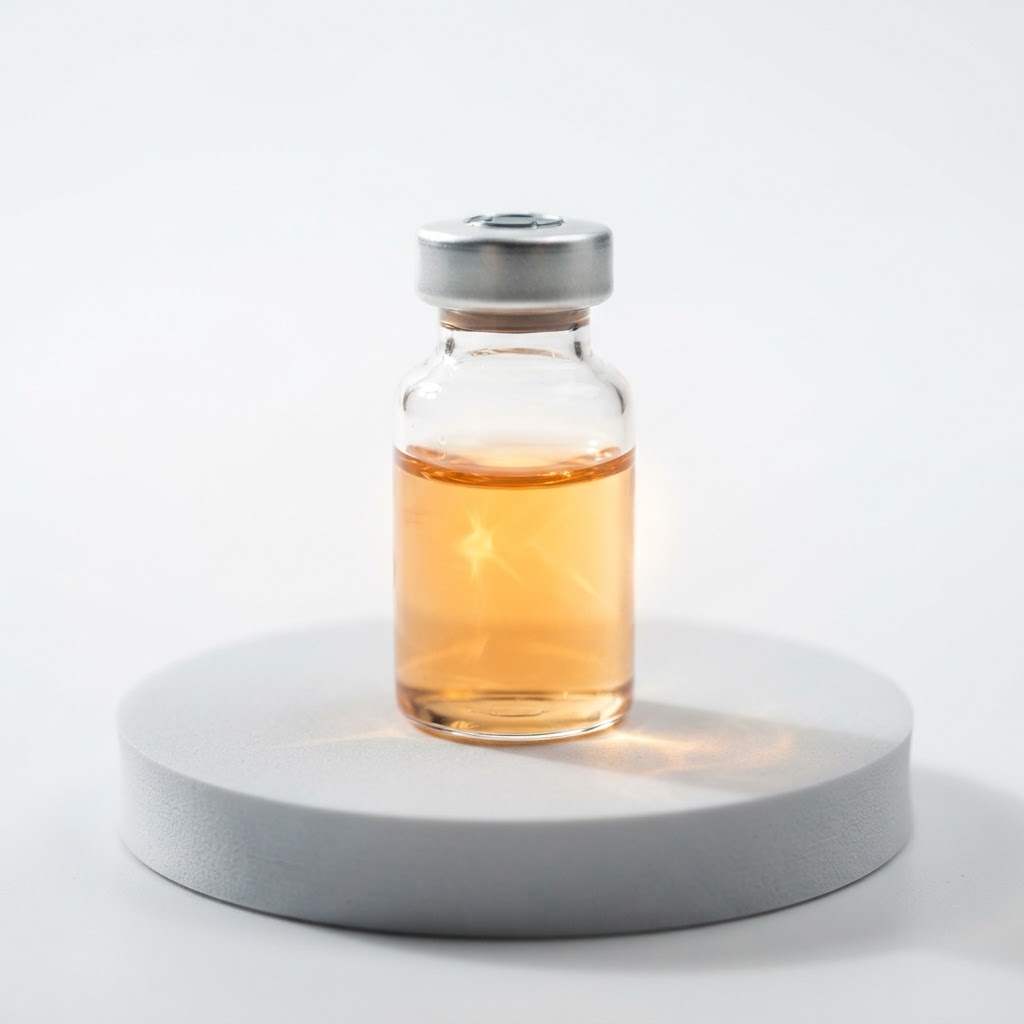
When sourcing research peptides, the Certificate of Analysis (COA) is your single most important document. A COA provides third-party verification of a compound's purity, identity, and quality — confirming that what's on the label is what's in the vial.
At Peptipura, every product ships with an accessible COA. Here's what to look for when reviewing one:
Purity Percentage
A reputable supplier will report purity of 98% or higher, verified by HPLC (High-Performance Liquid Chromatography). Anything below this threshold may indicate contamination or degradation.
Lot Number
The lot number ties your vial to a specific production batch. This is critical for traceability — if an issue arises, the lot number allows us to investigate and recall affected batches.
Test Date
COAs should reflect recent testing. A certificate that's months or years old may not represent the current state of the product.
Testing Laboratory
Third-party testing means the analysis was performed by an independent lab — not the supplier itself. Look for the lab's name, accreditation, and contact information.
If a supplier cannot or will not provide a COA, that's a red flag. Transparency isn't optional in research — it's foundational.
— Angela